Meal Replacement Bars
Chewy, chocolate-covered meal bars you can eat on the go — a generous 56–60g each, high in protein and packed with 20+ vitamins and minerals.
- ✓High protein
- ✓20+ vits & mins
- ✓Large size (56-60g)
16 items
-
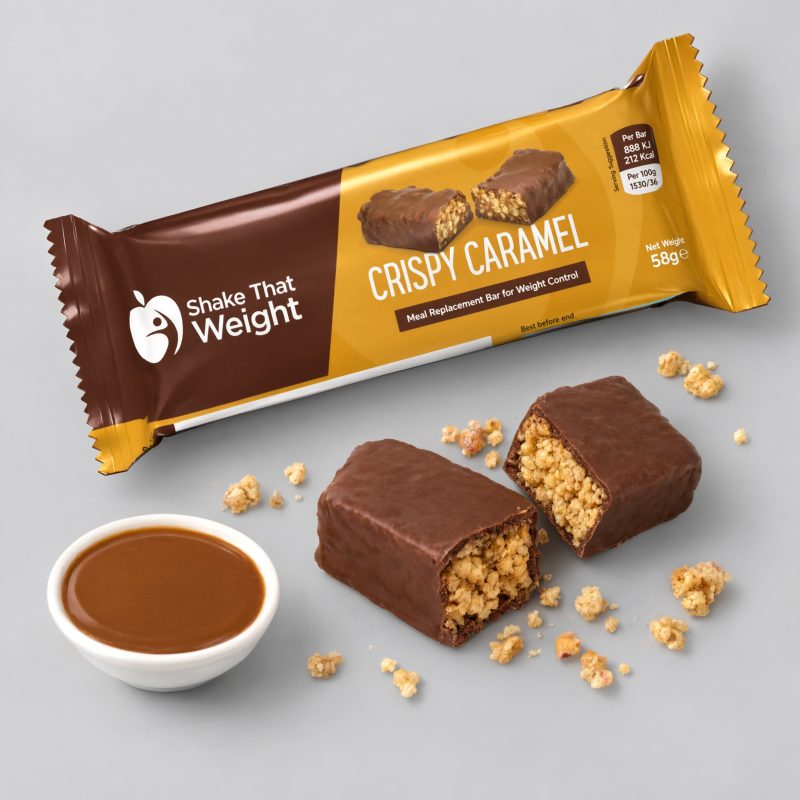
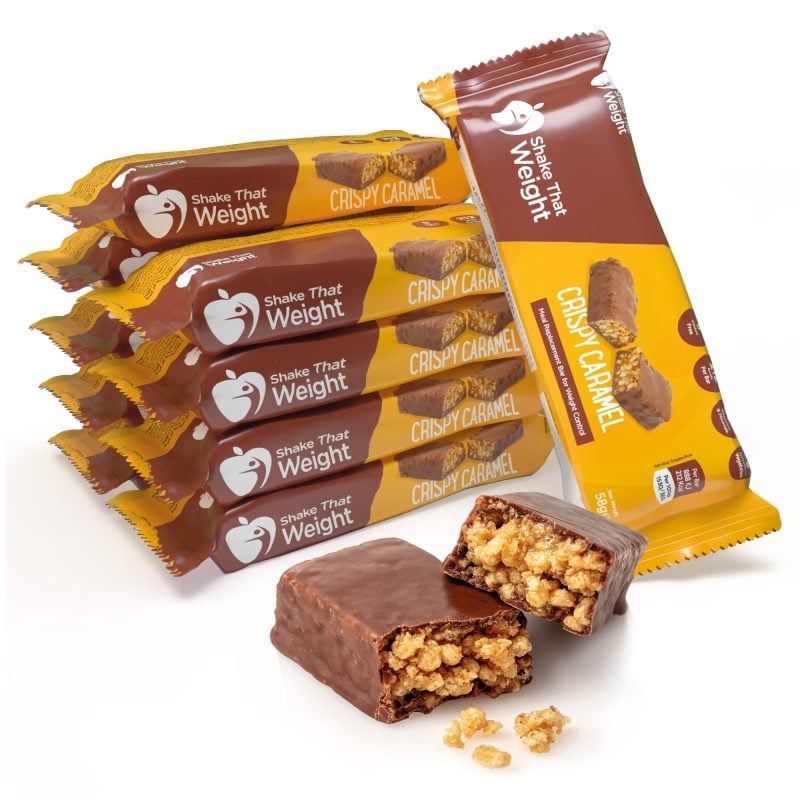
Crispy Caramel Meal Bar
★★★★★ ★★★★★ (322) Rated 4.6 out of 5 from 322 reviews £2.50 -
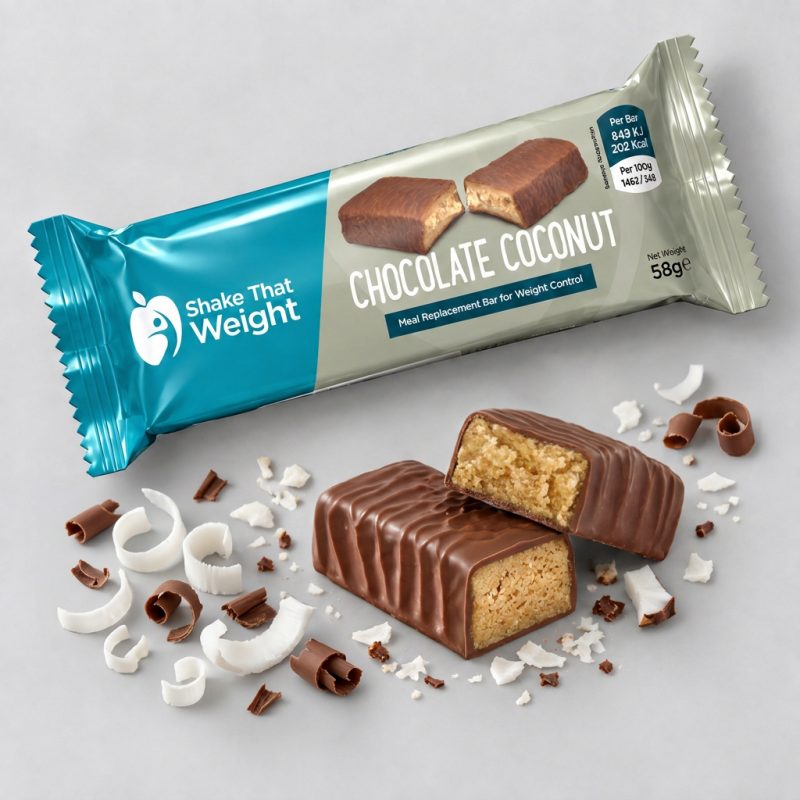
Chocolate Coconut Meal Bar
★★★★★ ★★★★★ (24) Rated 4.7 out of 5 from 24 reviews £2.50 -
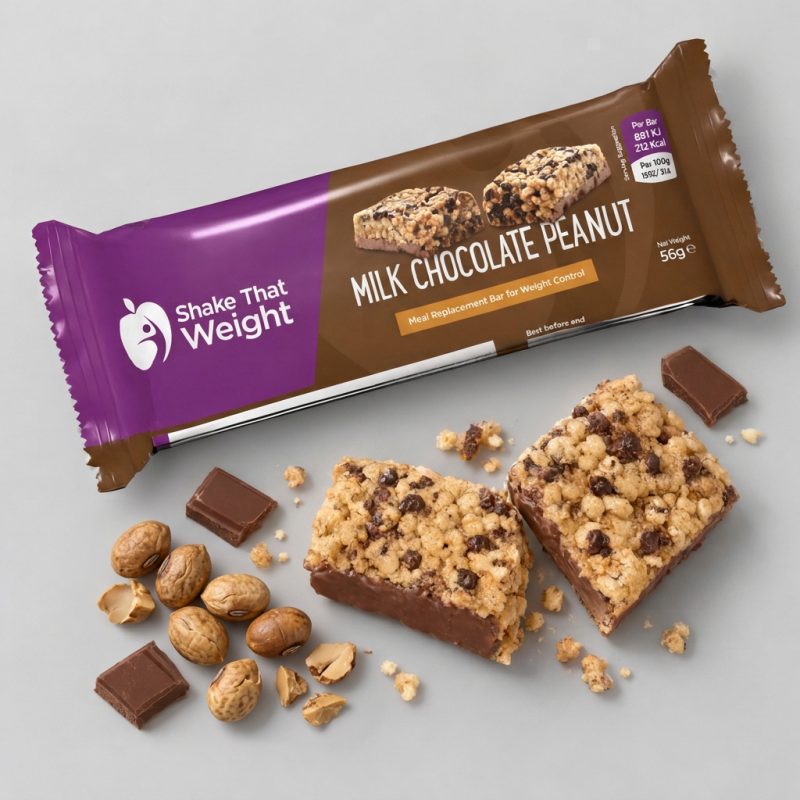
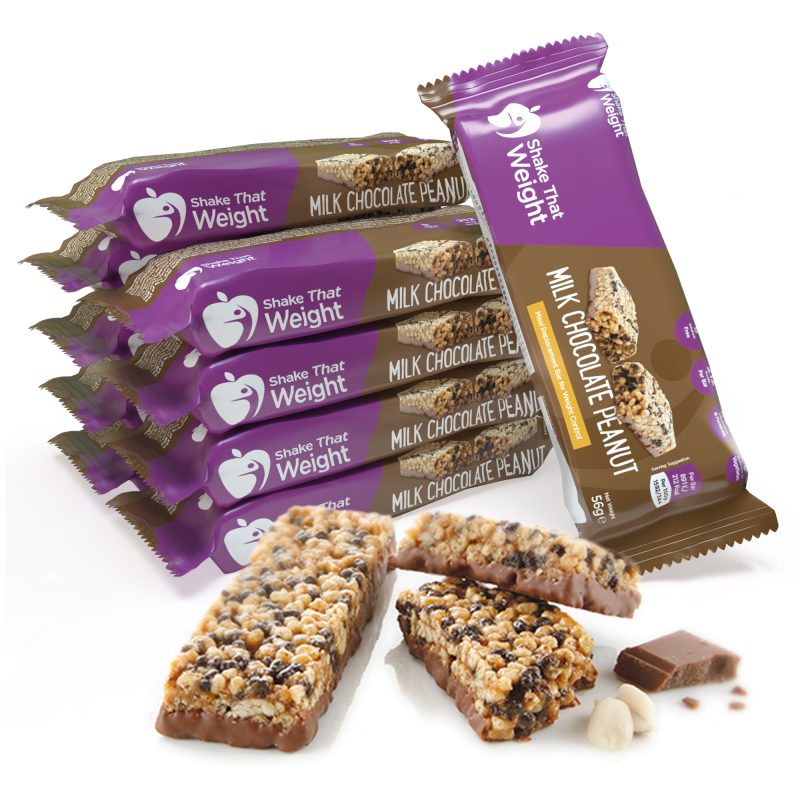
Chocolate Peanut Meal Bar
★★★★★ ★★★★★ (246) Rated 4.7 out of 5 from 246 reviews £2.50 -
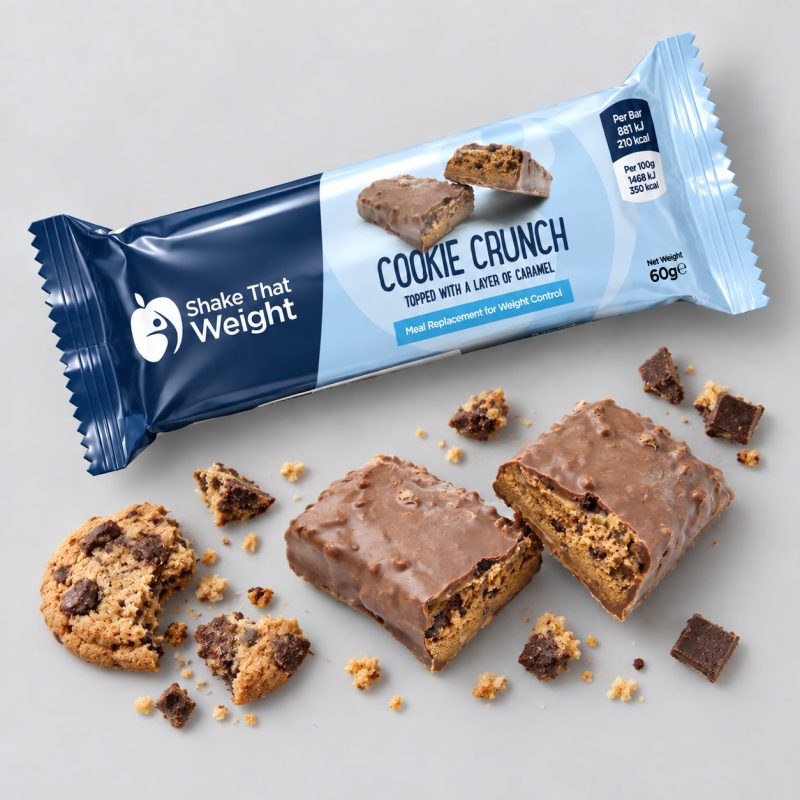
Cookie Crunch Meal Bar
★★★★★ ★★★★★ (22) Rated 4.8 out of 5 from 22 reviews £2.50 -
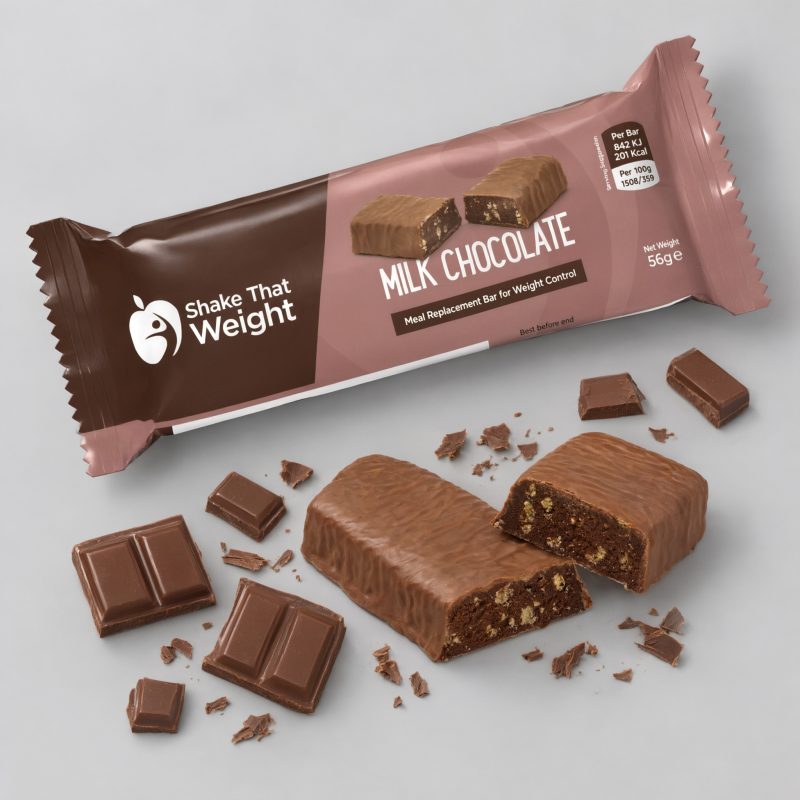
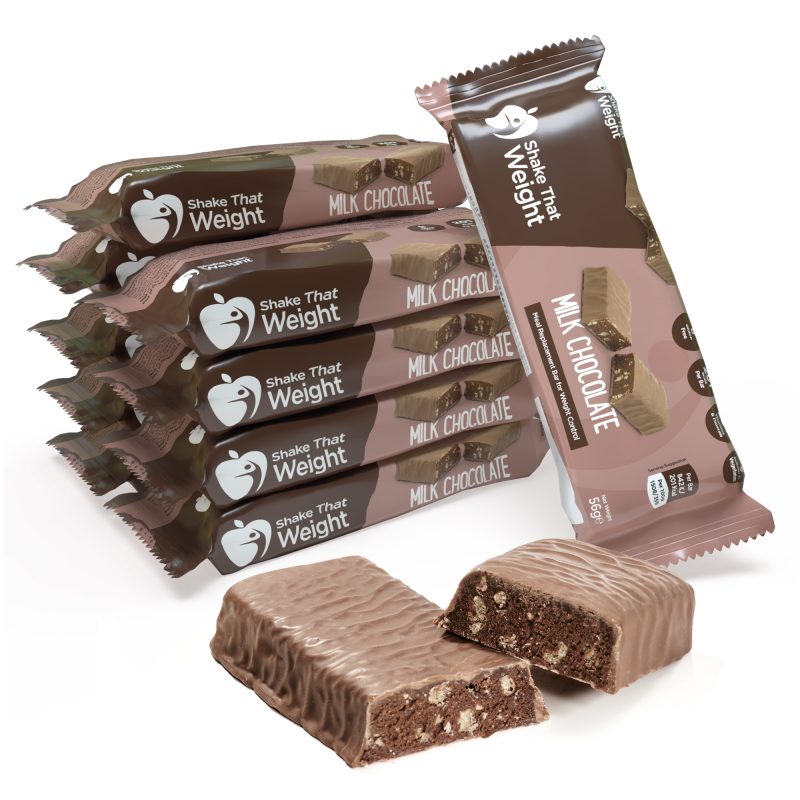
Milk Chocolate Meal Bar
★★★★★ ★★★★★ (258) Rated 4.5 out of 5 from 258 reviews £2.50 -
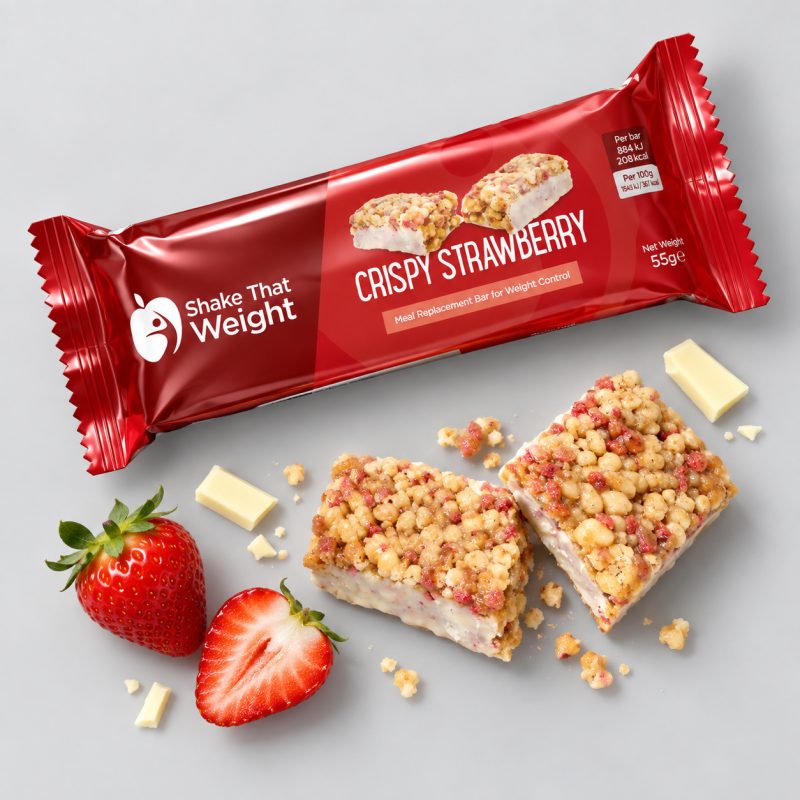
Crispy Strawberry Meal Bar
★★★★★ ★★★★★ (43) Rated 4.3 out of 5 from 43 reviews £2.50 -
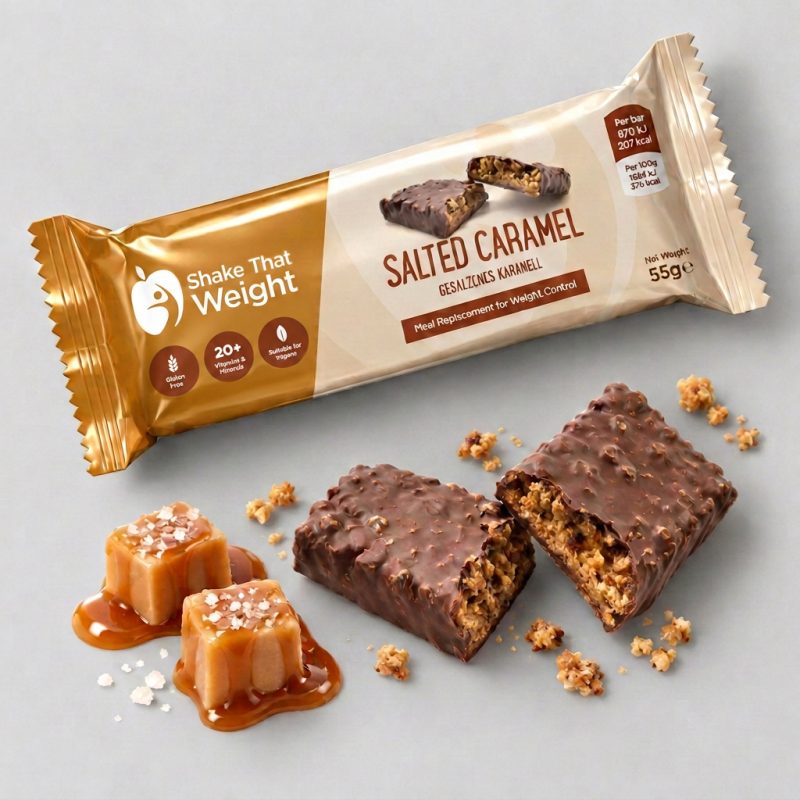
Crispy Salted Caramel Meal Bar
★★★★★ ★★★★★ (37) Rated 4.6 out of 5 from 37 reviews £2.50 -
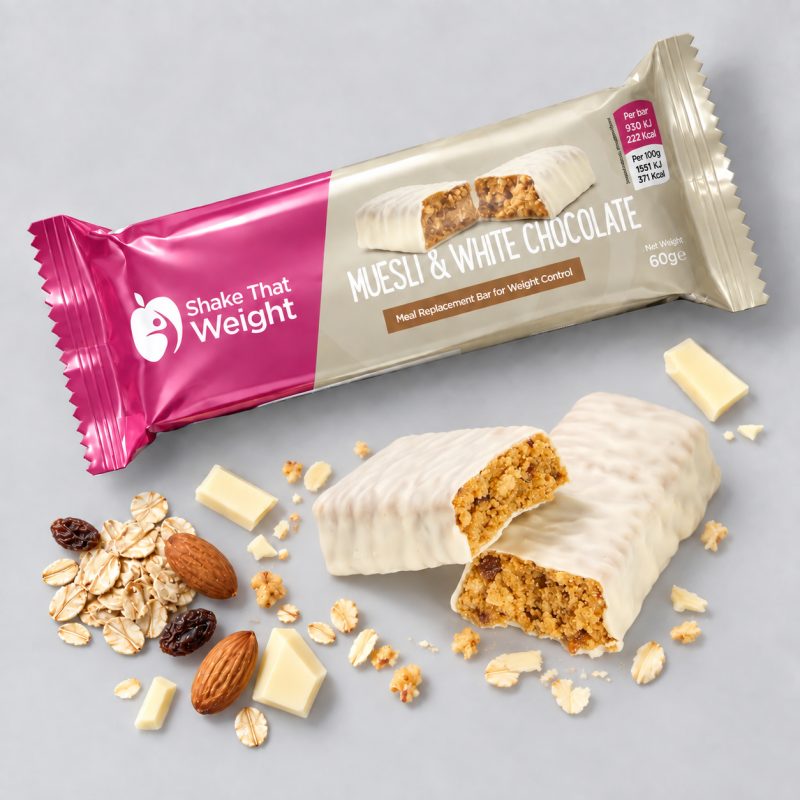
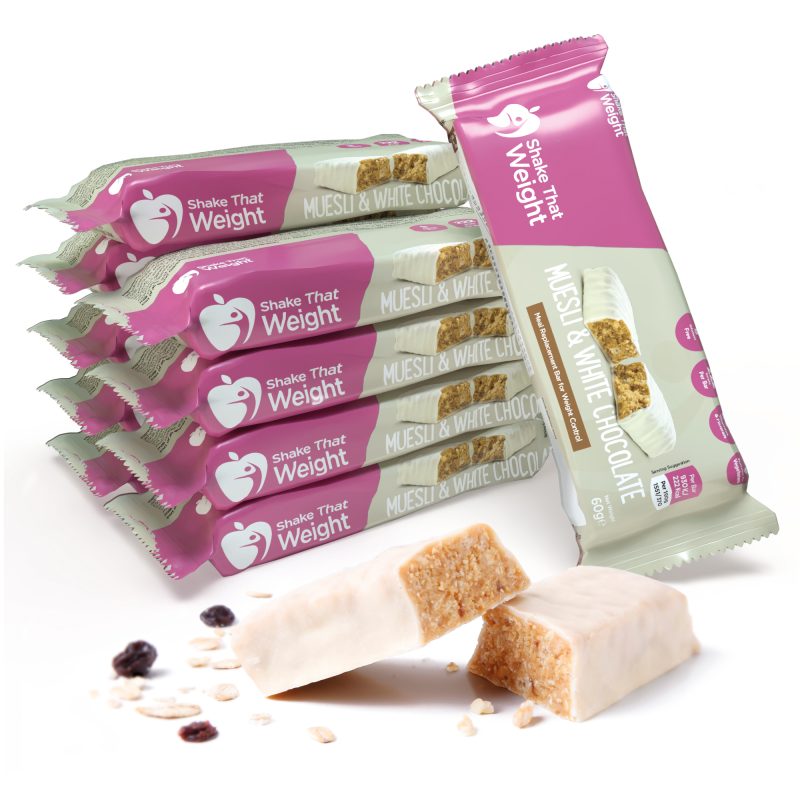
Muesli and White Choc Meal Bar
★★★★★ ★★★★★ (158) Rated 4.5 out of 5 from 158 reviews £2.50 -
Crispy Caramel Meal Bar - 10 Meals
★★★★★ ★★★★★ (52) Rated 4.7 out of 5 from 52 reviews £25.00 -
Muesli and White Choc Meal Bar - 10 Meal
★★★★★ ★★★★★ (20) Rated 4.8 out of 5 from 20 reviews £25.00 -
Milk Chocolate Meal Bars - 10 Meals
★★★★★ ★★★★★ (27) Rated 4.6 out of 5 from 27 reviews £25.00 -
Chocolate Peanut Meal Bars - 10 Meals
★★★★★ ★★★★★ (35) Rated 4.7 out of 5 from 35 reviews £25.00
Filter & Sort
Sort by
Dietary
A full meal in a bar
The short version
- A meal replacement bar is a single wrapped bar, 56–60g, designed to stand in for a whole meal — not a snack.
- Ours carry 201–222 calories, 13.0–15.7g of protein and over 20 vitamins and minerals per bar.
- One bar replaces one meal — no mixing, no shaking, no washing up.
- A protein bar has no such legal requirement to meet; a meal replacement bar does.
- Twelve flavours, eleven gluten-free, two suitable for vegans, from £2.50 a bar.
- They suit anyone who can't stop to prepare food, including people using a weight loss injection.
Meal replacement bar vs protein bar: what's the difference?
A meal replacement bar is a legally defined product, built to replace a whole meal. A protein bar is a snack with no such definition, built to add protein to a day you're already eating normally.
Meal replacement bar
- Calories: 200–250 kcal by law
- Protein: 25–50% of calories, to WHO amino acid standards
- Vitamins & minerals: at least 30% of the Reference Intake for a defined list
- Legally defined: Yes
- Replaces a meal: Yes, it's designed to
- Best for: Swapping out a meal you'd otherwise skip
Protein bar
- Calories: No fixed range — roughly 65 to 300 kcal
- Protein: No fixed requirement — roughly 7g to 22g
- Vitamins & minerals: No set requirement
- Legally defined: No
- Replaces a meal: No, it's a snack
- Best for: Adding protein alongside meals you're already eating
Registered dietitian Juliette Kellow has written about exactly this gap: because protein and snack bars carry no standardised nutrient requirement, swapping one in for a meal can leave you short on calories, protein or micronutrients without realising it. Read her full breakdown of what a dietitian says about protein bars versus meal replacement bars.
If you're already eating three meals a day and want more protein on top, a protein bar does that job well. If you're replacing a meal altogether, it needs to be a meal replacement bar — a protein bar on its own isn't formulated to carry you through.
What a meal replacement bar actually is
A meal replacement bar is a single wrapped bar formulated to stand in for a whole meal — not a snack you eat between meals. Each of ours carries between 201 and 222 kcal along with 20+ vitamins and minerals, so swapping one in for lunch leaves you properly fed rather than simply eating less.
When a bar beats a shake or a soup
Bars are the option that needs nothing from you: no kettle, no shaker, no fridge. If your day involves a commute, a site visit, a school run or back-to-back meetings, a bar is the one meal you can rely on eating on time. For days at home, a hot diet soup or a meal replacement shake may suit you better.
How many bars a day
On the Everyday Plan you have two meal replacements a day, plus a meal you cook yourself and a 200 kcal snack, and a bar can be either of those two. On the Total Plan all four meals are replacements. Most people use one bar a day and vary the rest, simply because eating the same thing at every meal is the fastest route to giving up.
Using bars with shakes and soups
Most people don't eat the same meal replacement all day, every day — mixing bars with shakes and soups is what makes a week easy to stick to, rather than something to grit your teeth through.
A bar for a commute, a hot bowl of soup for a day at home, or a shake when you want something quick — rotating the format matters as much as rotating the flavour.
Flavours and variety
There are twelve bars in the range, from Crispy Salted Caramel and Cookie Crunch to Dark Chocolate and Lemon & White Choc, each £2.50 with free UK delivery on orders over £65. Ordering two or three flavours at once costs the same per meal and makes the week far easier to stick to — and our 30-day flavour guarantee means you are not stuck with one you do not get on with.
Protein, fibre and staying full
Bars carry between 13.0g and 15.7g of protein each, which digests slowly and blunts the hunger that derails most diets by mid-afternoon. That matters more on a lower-calorie day than on a normal one — feeling satisfied is what makes the calorie deficit survivable.
Allergens and dietary needs
Every bar lists its allergens and dietary suitability on its own product page. Eleven of the twelve are gluten-free — Chocolate Peanut is the exception — and two, Crispy Salted Caramel and Crispy Coffee & Cookie, are suitable for vegans. Check the individual product page before ordering if you have an allergy — the range is not uniform.
How much sugar is in our bars?
Sugar varies a lot across the range: our lowest bars carry under 4g, our highest just under 16g. Chocolate Coconut (2.7g) and Crispy Strawberry (3.7g) are the two lowest; flavours built around chocolate or caramel tend to carry more.
Several of our bars use polyols — a type of sweetener that provides fewer calories than sugar and is listed separately on the nutrition label — which is one reason the figures vary so much between flavours. Check the nutrition panel on each product page for the exact figure for the flavour you want.
Bars alongside a weight loss injection
Yes, a bar can fit well here. GLP-1 medication (a weight loss injection prescribed to reduce appetite) often means you want to eat far less, and a bar is the smallest-volume, zero-preparation way to get a full meal's worth of protein and vitamins in when a plate of food feels like too much.
There's no kettle to boil, no shaker to wash and nothing to mix — you unwrap it and eat, wherever you are. Your prescriber's guidance always comes first. See our GLP-1 Support Meals range.
Meal Replacement Bars Q&As
Is a meal replacement bar the same as a protein bar?
No. A protein bar is a snack designed to add protein to your day. A meal replacement bar is formulated to replace a whole meal, which means it also has to carry the vitamins, minerals and fibre that meal would have given you. Eating a protein bar instead of lunch leaves gaps a meal replacement bar is designed to fill.
How many meal bars can I eat in a day?
Follow your plan rather than a fixed bar count. On the Everyday Plan that is two meal replacements a day, either or both of which can be a bar; on the Total Plan it is four. Most people prefer to mix bars with shakes, soups and hot meals.
Do I need to eat anything with the bar?
No, the bar is the meal. Have a glass of water with it — people routinely mistake mild dehydration for hunger, and you are getting less fluid from food than usual on a lower-calorie day.
Are the bars suitable for vegans or coeliacs?
Some are, and each product page states which. Because allergens vary across the twelve flavours, check the specific bar rather than assuming the range as a whole is suitable.
Are meal replacement bars healthy?
Used as directed, yes — each bar is formulated to the same nutritional standard as a meal, with 201–222 calories, 13.0–15.7g of protein and over 20 vitamins and minerals, rather than being a sugary snack bar in disguise. Like any meal replacement, they work best as part of a plan rather than eaten on top of your normal food.
Are meal replacement bars good for weight loss?
They can be, when they're replacing a meal you'd otherwise eat more calories for. Swapping a higher-calorie lunch for a 201–222 calorie bar with 13g or more of protein reduces what you take in that day, while still giving you a proper meal's worth of nutrition rather than simply going without.
Can I eat a protein bar instead of a meal replacement bar?
Not as a direct swap. A protein bar isn't required to meet any calorie, protein or vitamin standard, so it may leave you under-fed where a meal replacement bar is specifically formulated to replace what that meal would have given you. A protein bar works well alongside a meal — not instead of one.
Can I have a meal replacement bar for breakfast?
Yes — a bar is one of the quickest ways to have breakfast when there's no time to prepare anything, and it carries the same 201–222 calories and 20+ vitamins and minerals as a bar eaten at any other meal.
Which bars are gluten-free or vegan?
Eleven of our twelve bars are gluten-free — Chocolate Peanut is the only exception. Two are suitable for vegans: Crispy Salted Caramel and Crispy Coffee & Cookie, the latter of which also contains around 85mg of caffeine, roughly the same as a cup of coffee. Check our gluten-free bars or vegan bars, or the individual product page, before ordering.