A Very Low-Calorie Diet (VLCD) is a structured, short-term way of eating far fewer calories than usual, usually with nutritionally complete meal replacements. It can be an option for people who are overweight or obese, including some preparing for surgery, with advice from a GP. Here’s an overview of what a VLCD entails and its potential benefits and considerations:
How Does a VLCD Work?
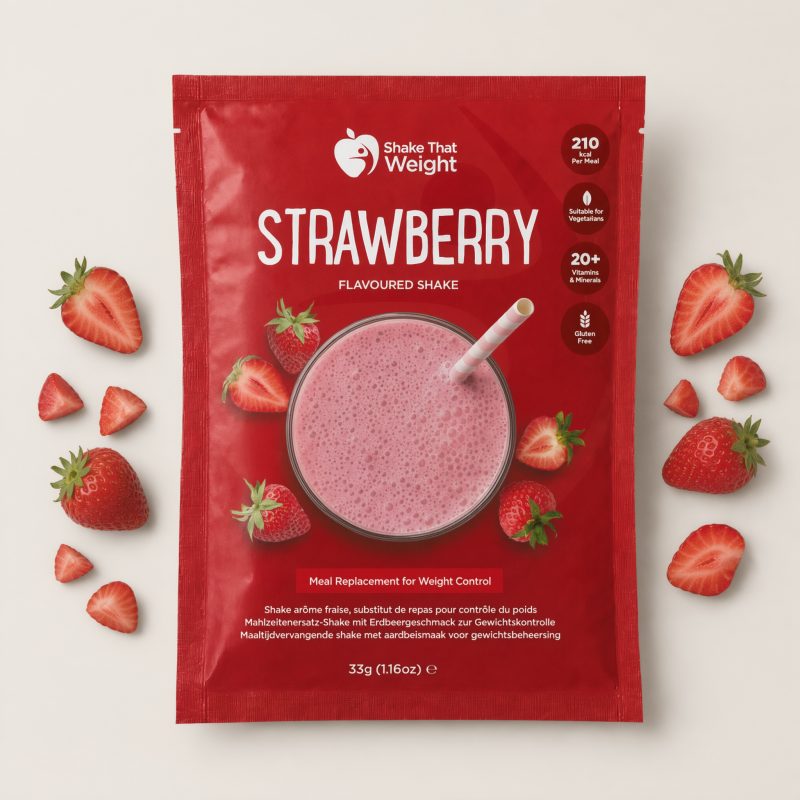
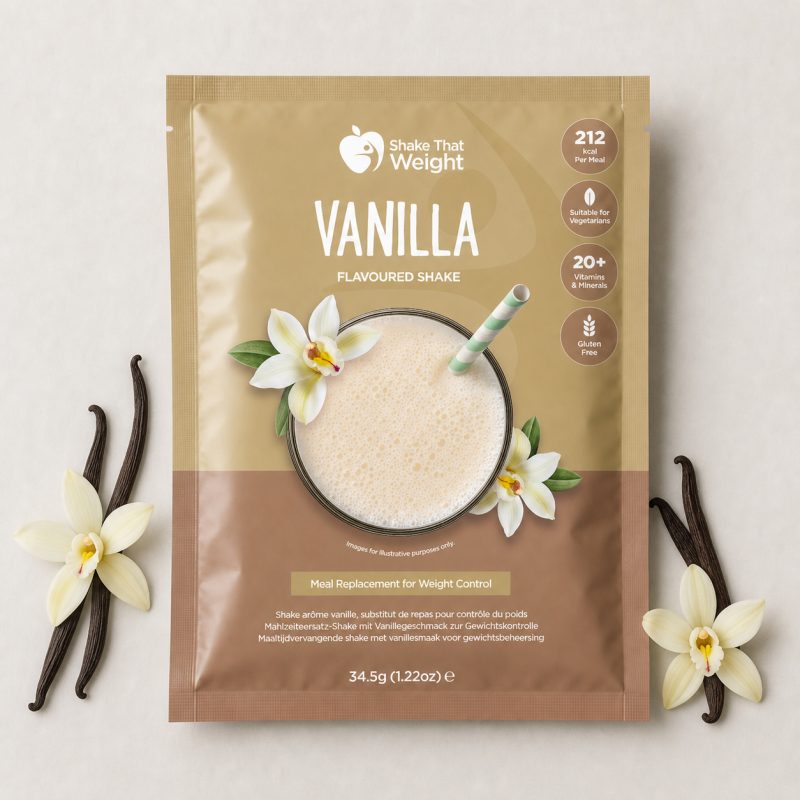
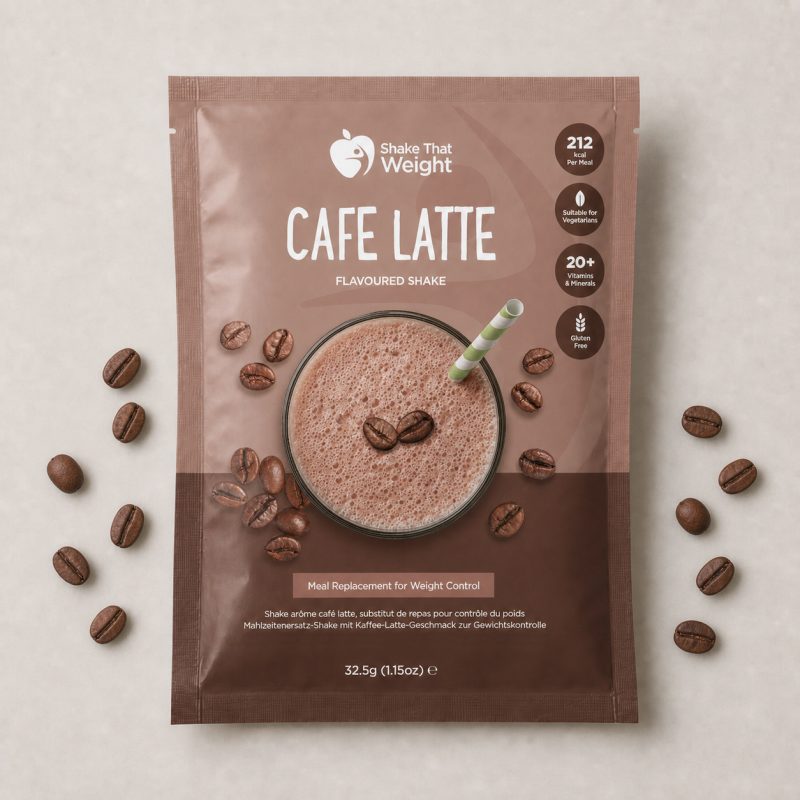
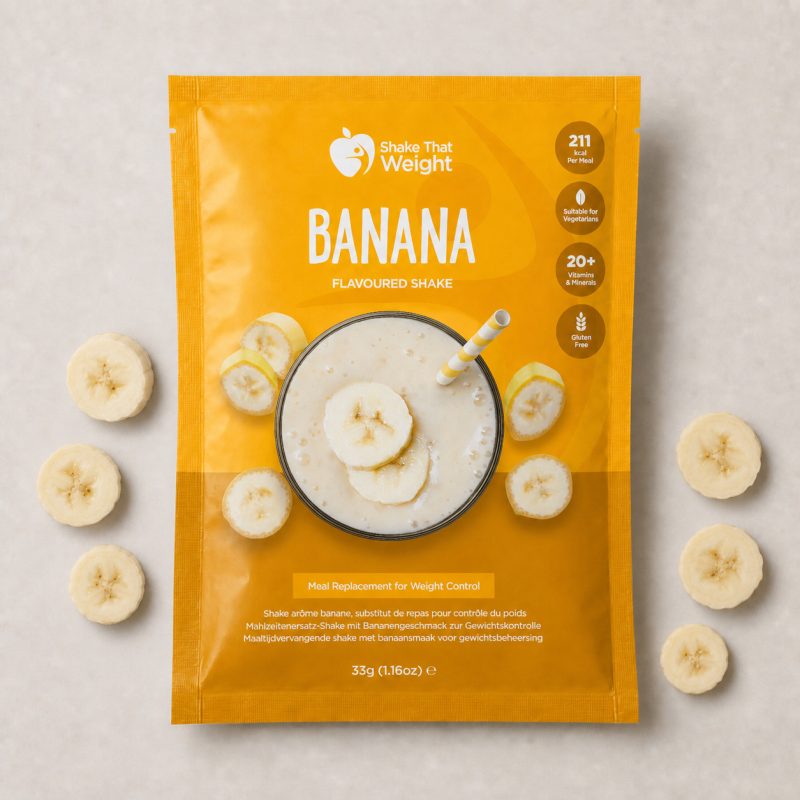
VLCDs are often made up of commercially prepared formulas, such as shakes, soups, bars, or other meal replacements specifically designed to provide essential nutrients within limited calories and conform to the relevant regulations and guidelines. These meal replacements ensure that, despite drastic calorie reduction, individuals don't miss out on essential vitamins, minerals, protein, and other nutrients necessary for health.
Meal Replacements on a VLCD
The structured nature of meal replacements is crucial for anyone following a VLCD. Here’s why they are integral to staying healthy on such a limited calorie budget:
Nutritional Adequacy
They are formulated to keep nutritional intake balanced. This includes adequate protein to prevent muscle loss, and essential vitamins and minerals.
Convenience and Precision
Meal replacements simplify meal planning. They are pre-portioned, ensuring calorie goals are met without the hassle of nutritional calculations.
Compliance and Support
VLCDs can be mentally challenging; meal replacements help promote adherence by reducing the complexity associated with meal preparation. They are usually supported by a specialist company like Shake That Weight with expert advice and peer support groups.
Key Characteristics of a Very Low-Calorie Diet
Caloric Intake
NICE defines a very-low-energy diet as under 800 calories a day. Plans of 800 to 1,200 calories a day, such as our 800 kcal Total Plan, are low-energy diets. Both are well below the NHS guide of around 2,000 calories a day for women and 2,500 for men. Read about ketosis on low calorie diets.
Early Progress
Seeing early progress can be motivating and help people stay committed. How much weight each person loses varies with things like starting weight and how closely they follow the plan.
Short-Term Focus
VLCDs are typically designed for short-term use, making them a focused solution to kickstart weight loss. After completing a VLCD, individuals can transition to a balanced, sustainable eating plan that incorporates a variety of healthy foods such as the Shake That Weight's VLCD maintenance plan or transition though the everyday diet plan and active diet plans to gradually increase your caloric intake. This supportive approach helps to ensure they maintain their weight loss in a healthy way. Our guide to reintroducing food explains the stages.
Potential Benefits
Effective Weight Loss
VLCDs can give a structured start for people who need to lose weight for health reasons, such as preparing for surgery or managing obesity-related health conditions, with medical advice.
Focus on Health
Many individuals report improved energy levels and overall well-being as they begin losing weight and adopting healthier habits.
Structured Support
The components of the VLCD can promote discipline and help develop a mindful relationship with food.
Risks and Considerations
While VLCDs can be effective, they are not risk-free. Potential side effects include fatigue, constipation, nausea, and, in rare cases, more severe health implications. Thus, they are primarily prescribed for individuals with a Body Mass Index (BMI) over 30 or those who need to lose weight for medical reasons. Read about keto flu in the first week.
Conclusion
A Very Low-Calorie Diet can be a powerful tool for individuals seeking significant weight loss in a structured and supportive manner. When approached with professional guidance, it can be a structured first step towards long-term health improvements. If you’re considering a VLCD, consult a GP or healthcare professional about your personal circumstances and then choose a reputable VLCD provider like Shake That Weight. Embracing this journey can lead to a healthier, happier you! #EnjoyTheJourney